 SWINE
SWINE Opormex 2026 sets Mexico’s pork agenda for 2030
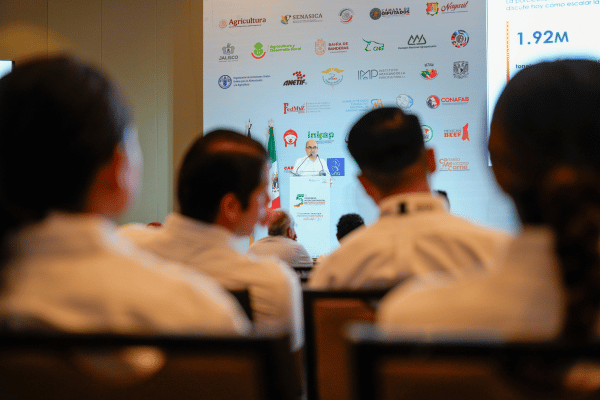
The 5th Intercontinental Pork Producers Congress, Opormex 2026, was held from May 12 to 16 in Riviera Nayarit, Mexico. The event gathered more than 1,000 pork producers, specialists and industry leaders to discuss the future of pork production in Latin America. This year’s edition focused on Mexico’s Vision 2035, pork self-sufficiency, regional integration, health, productivity and sustainability.
Mexico moves toward pork self-sufficiency
One of the main announcements came from the new OPORMEX President, José Luis Pérez Gómez, who set a strategic goal for Mexico: to produce 70% of national pork consumption domestically by 2030.
This ambition would require a significant increase in production capacity, including an estimated 300,000 additional sows in the national herd. The message was clear: Mexico is preparing for a new stage of growth, but this expansion must be supported by stronger health, biosecurity and production systems.
Ceva highlights growth with purpose
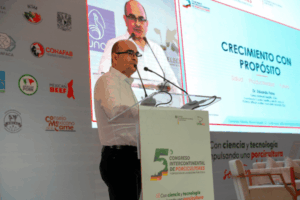
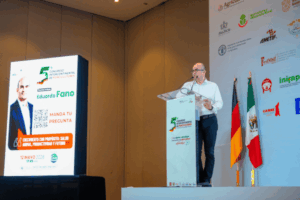
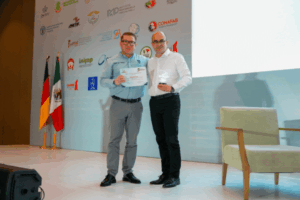
Ceva Animal Health participated in the technical agenda with the session “Growth with Purpose: Health, Productivity, and Future”, presented by Eduardo Fano.
The talk focused on how Mexico’s expansion toward 2030 should be built on solid foundations: better genetics, modern facilities, healthy founder herds, regional biosecurity and a coordinated national health surveillance system.
This approach is especially relevant in a context of increasing global disease pressure, including PRRS, PED and emerging variants. For the swine industry, growth can no longer be measured only by volume, but by the ability to grow in a healthier, more resilient and sustainable way.
Technical innovation takes centre stage
The congress also addressed several key topics shaping the future of pork production. These included genetic selection for natural disease resistance, reproductive biotechnology, semen quality, precision livestock farming, digital transformation, animal welfare and data-driven production.
Germany participated as guest country, contributing technical and organisational insights from its pork production model. The closing sessions focused on transboundary diseases, circular economy, sustainability, regulation and value-chain commercialization.
Across the agenda, several cross-cutting themes stood out: artificial intelligence in production, high-performance team development and business management for modern pork operations.
Regional integration looks ahead to 2027
Opormex 2026 also reinforced regional cooperation as a key priority for Latin American pork production. Argentina was confirmed as guest country for the 2027 edition, strengthening the narrative of regional integration and technical exchange.
This next edition is expected to continue the conversation around health, sustainability, productivity and collaboration across the Latin American pork value chain.
Take-home messages
Opormex 2026 consolidated Mexico’s ambition to advance toward pork self-sufficiency while reinforcing the need for responsible and technically supported growth. The congress showed that the industry’s focus is shifting from how much to grow to how to grow well, with health, biosecurity, genetics and sustainability at the centre. With Argentina announced as guest country for 2027, regional cooperation will remain a key driver of the future of pork production in Latin America.